Culture That Wins: Building High-Performance Teams (In-house)
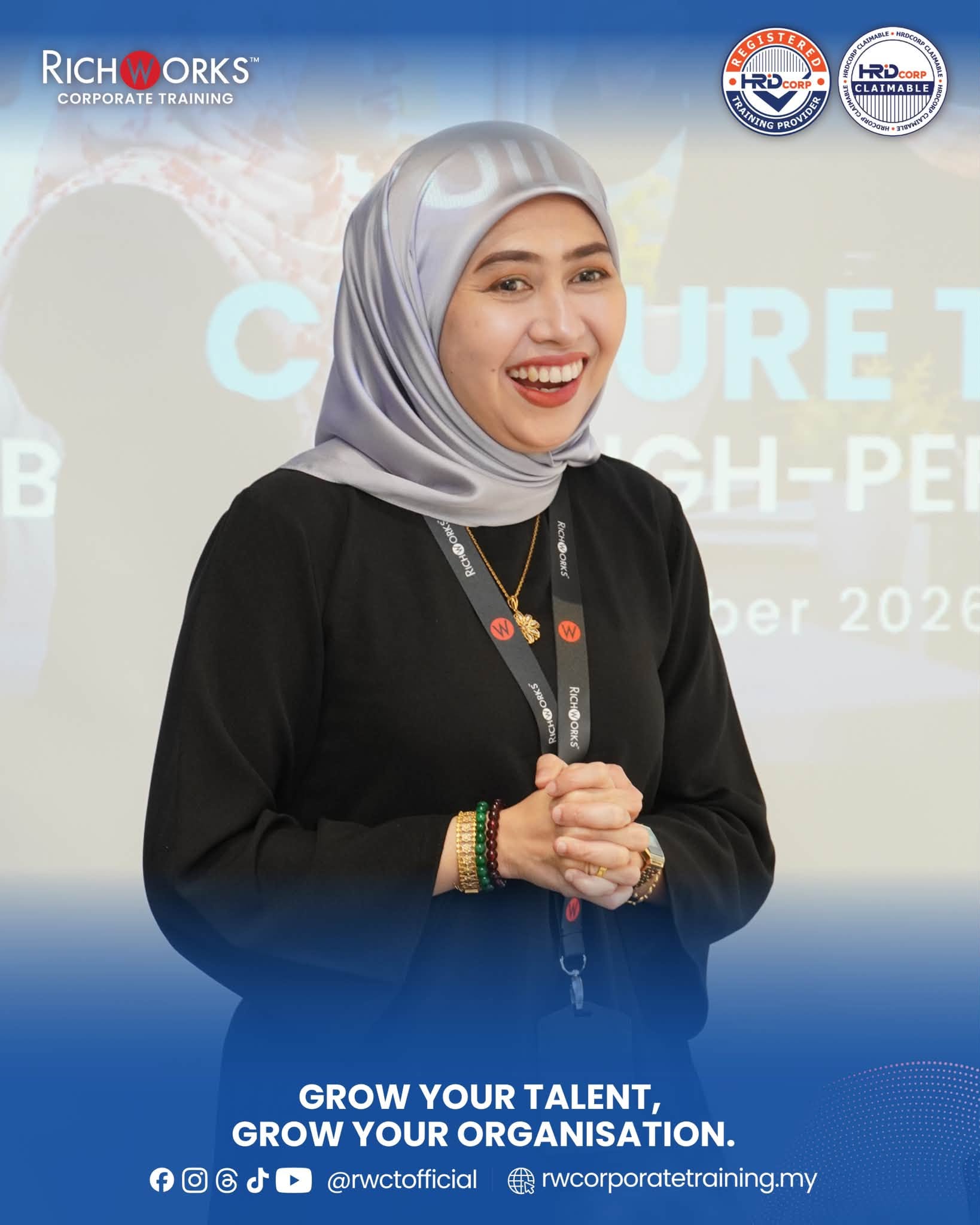
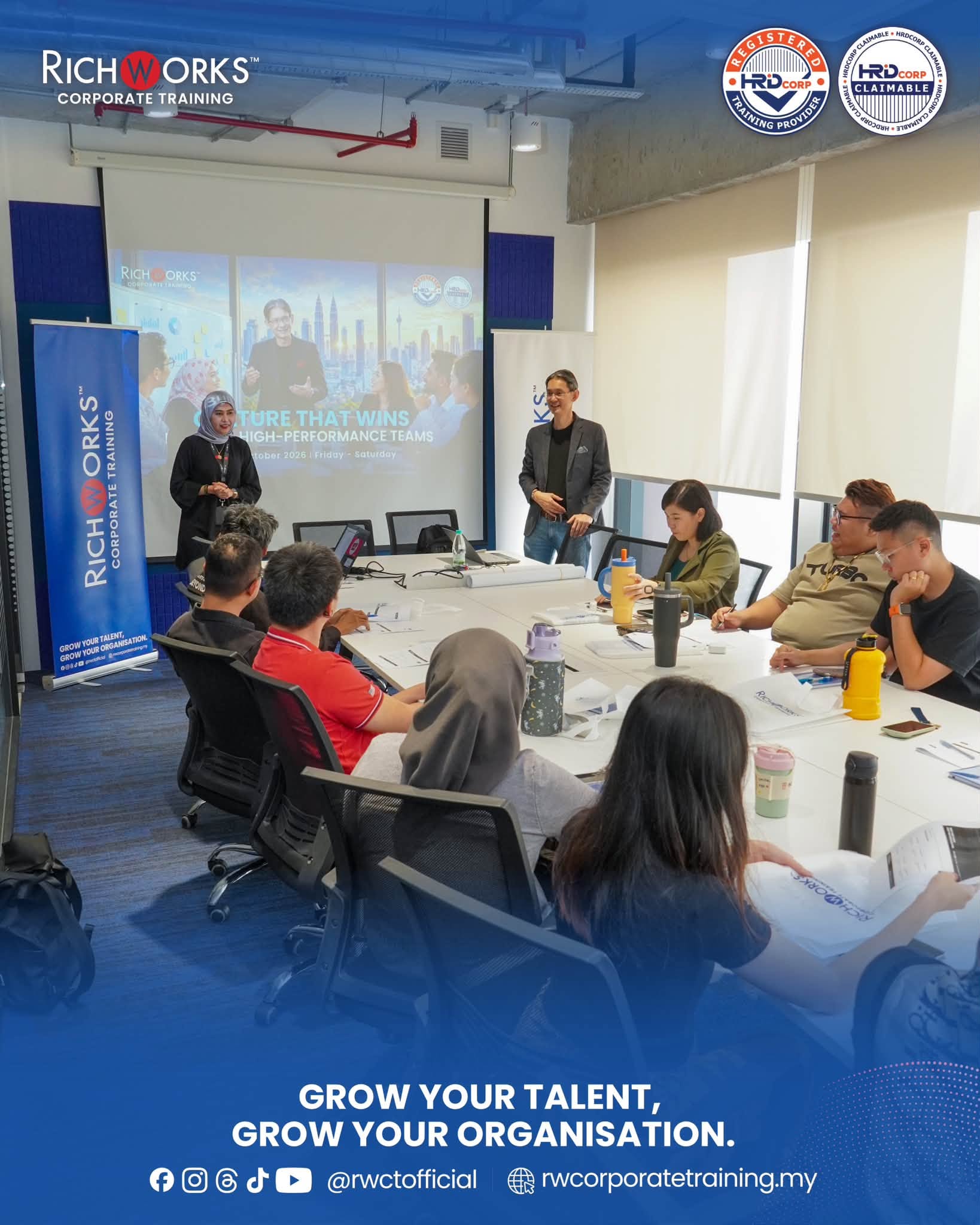
Empowering Boomwave Sdn. Bhd. at Thinkhub, i-City Shah Alam with Mr Gerald to strengthen leadership, improve workplace communication, break down departmental silos, and build a high-performance team culture.
9 – 10 December 2025
Program Overview
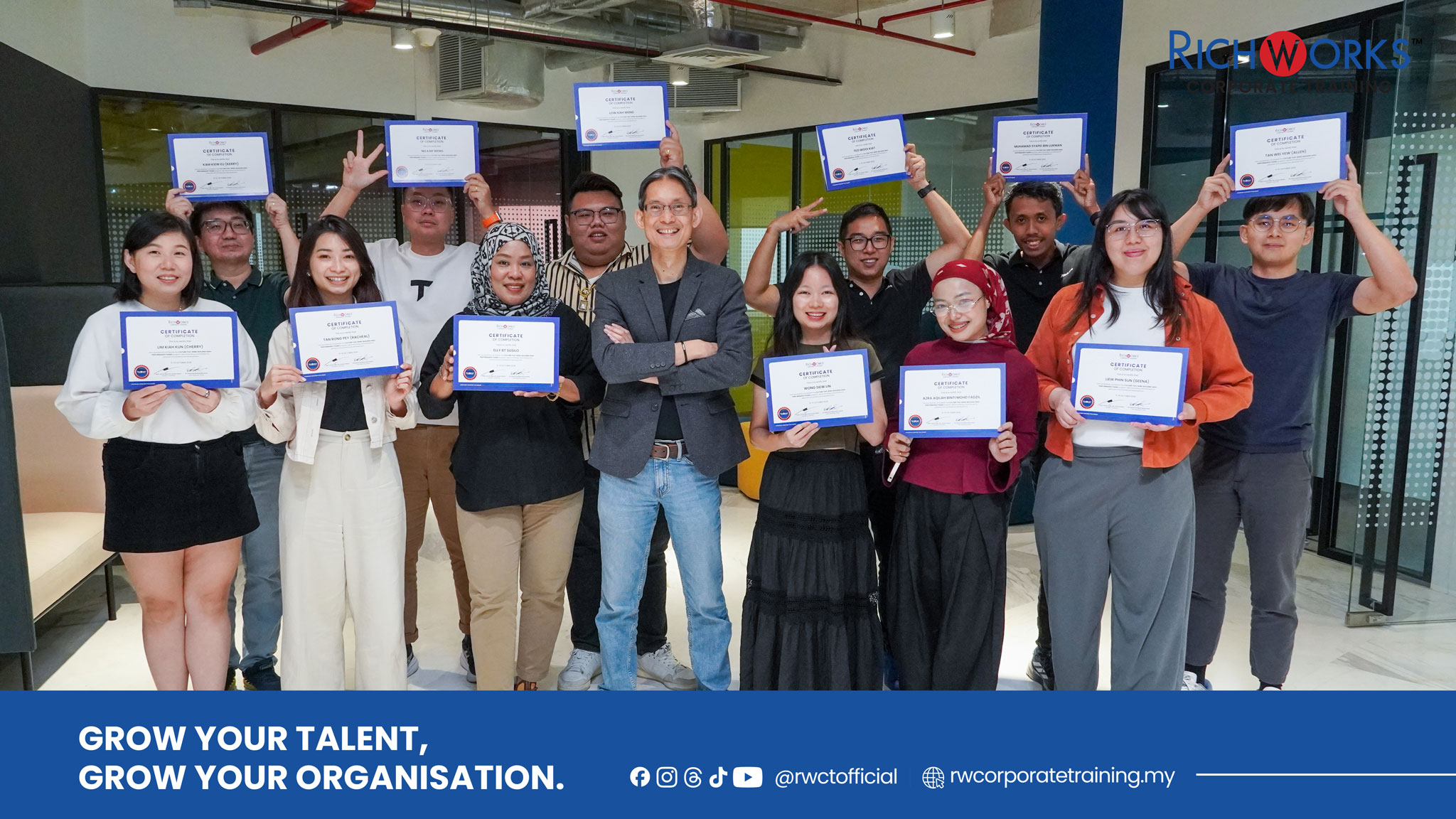
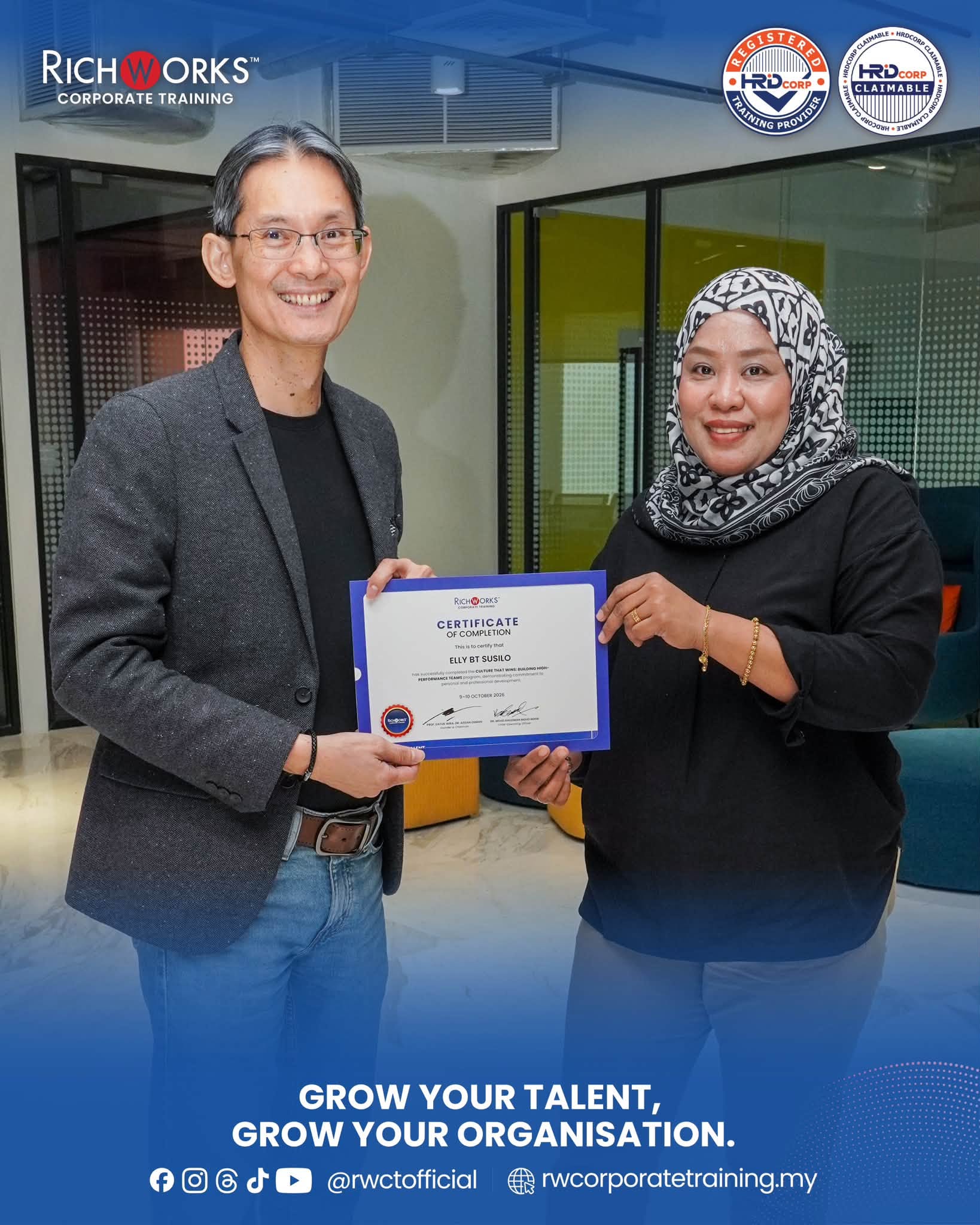
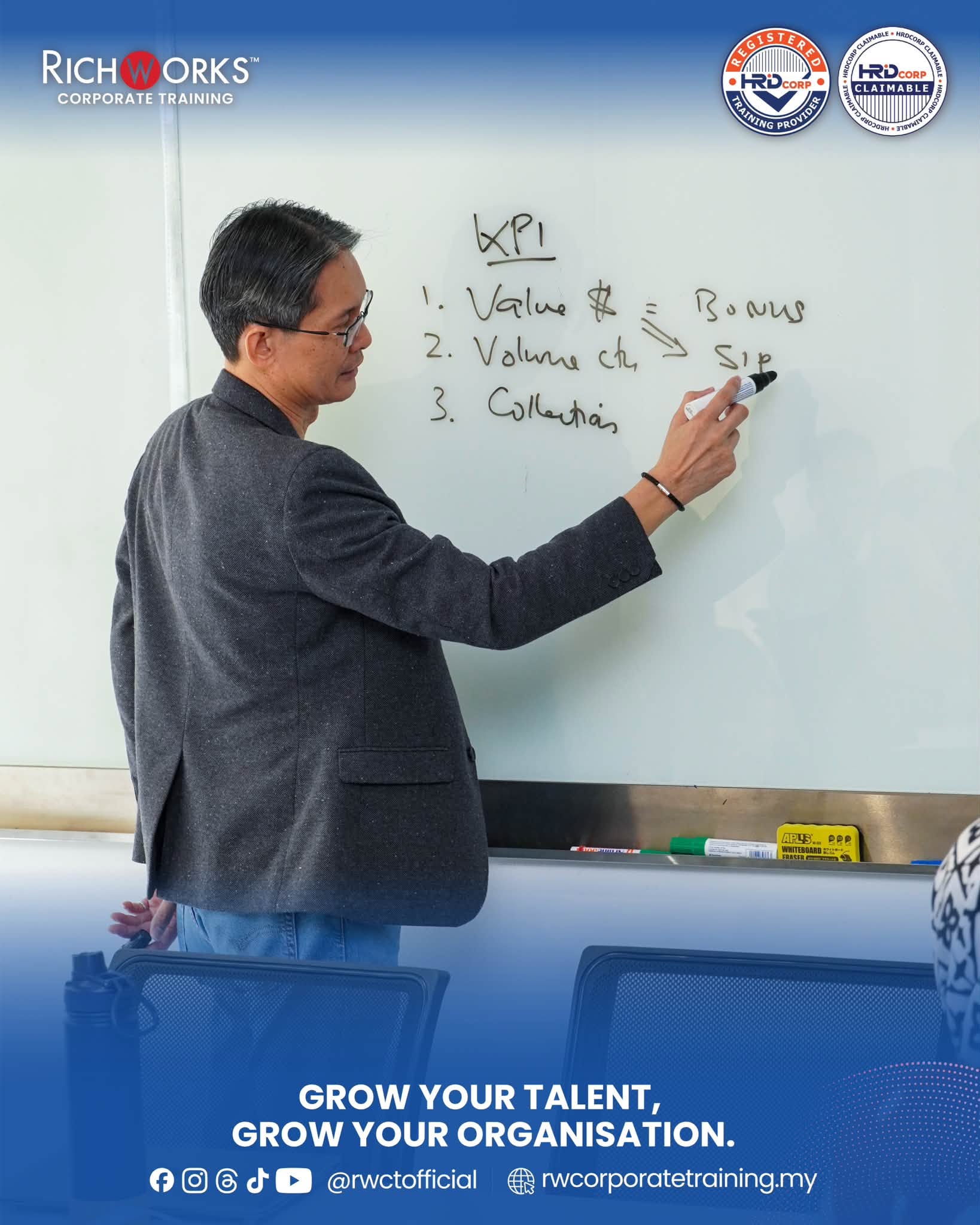
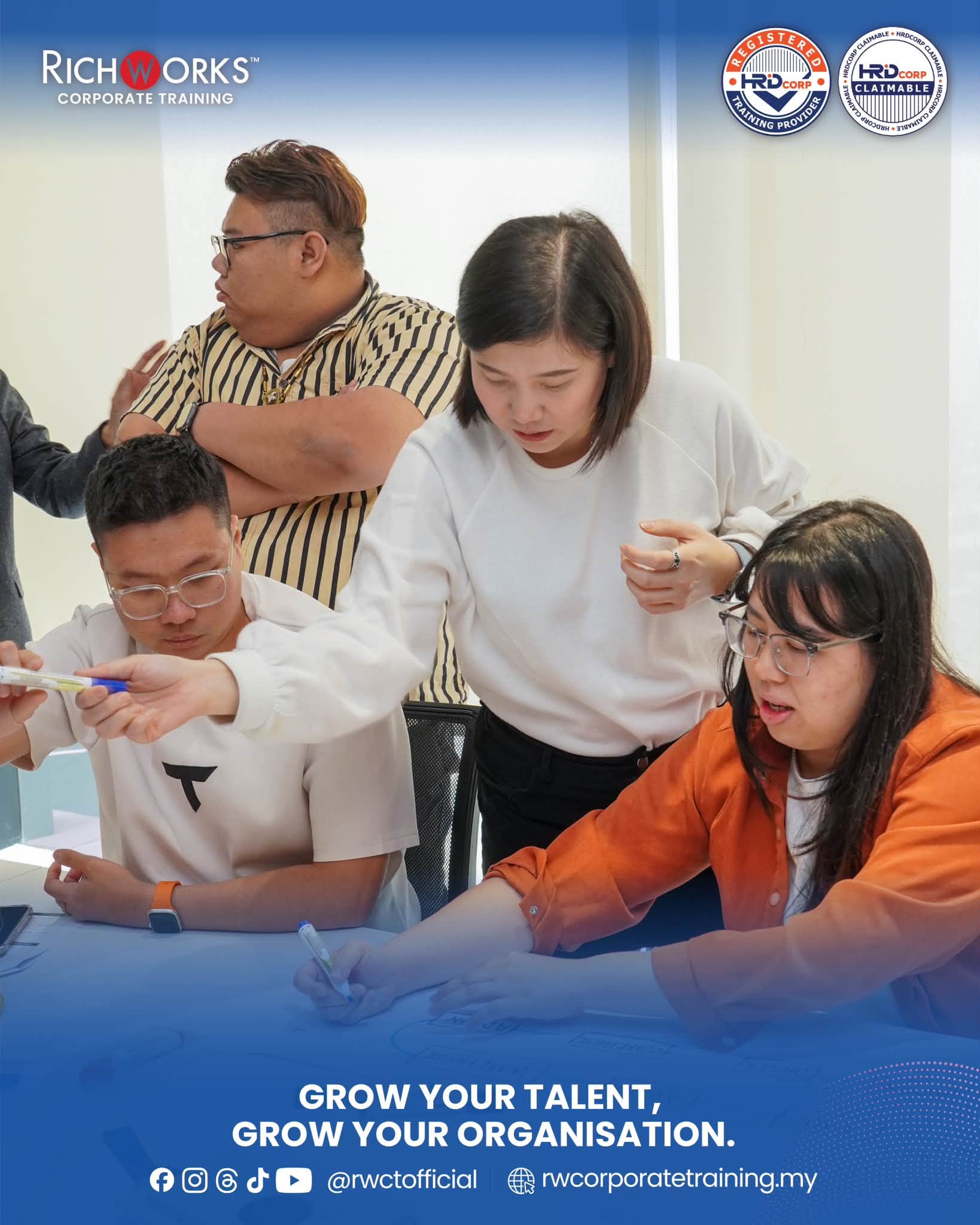
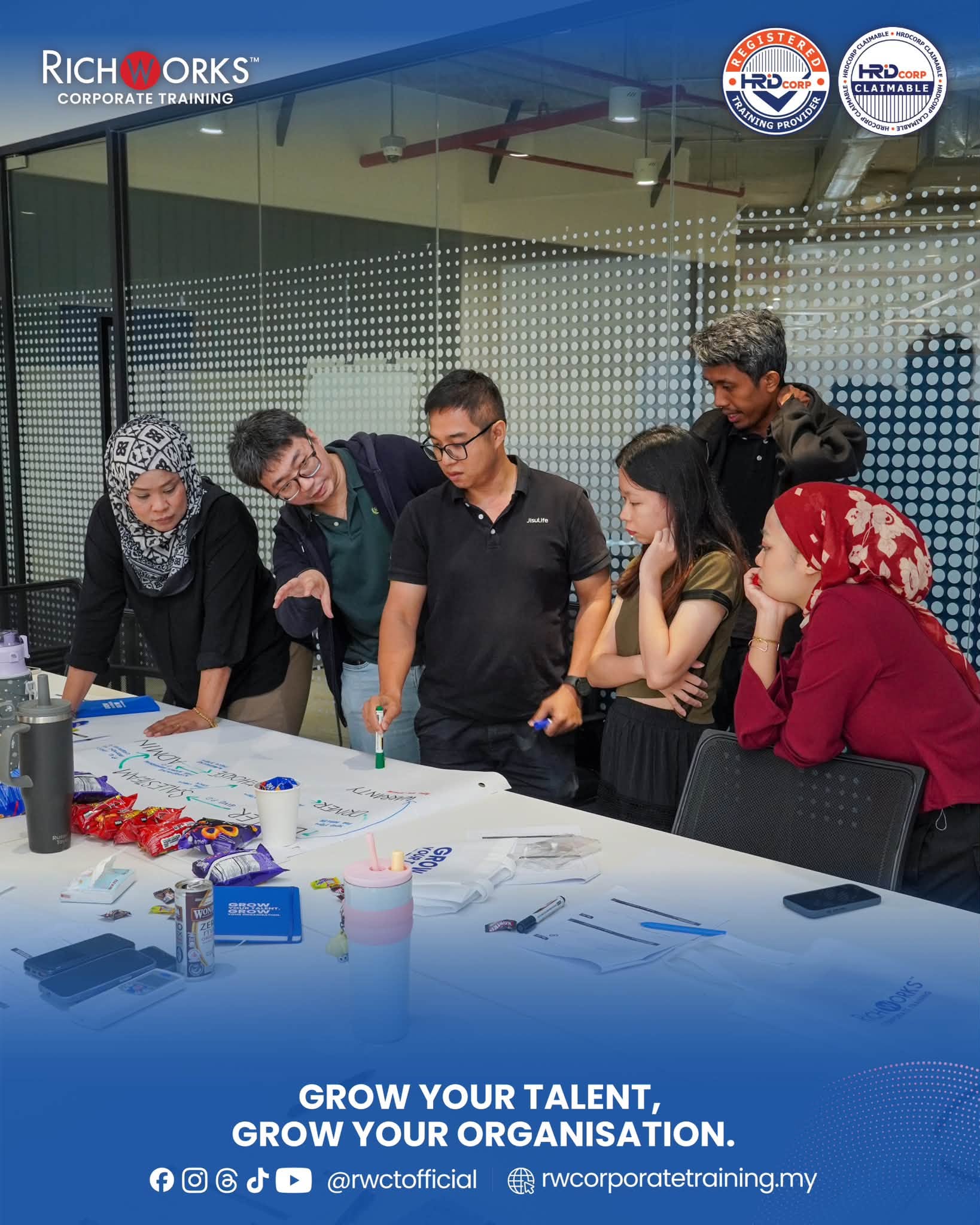
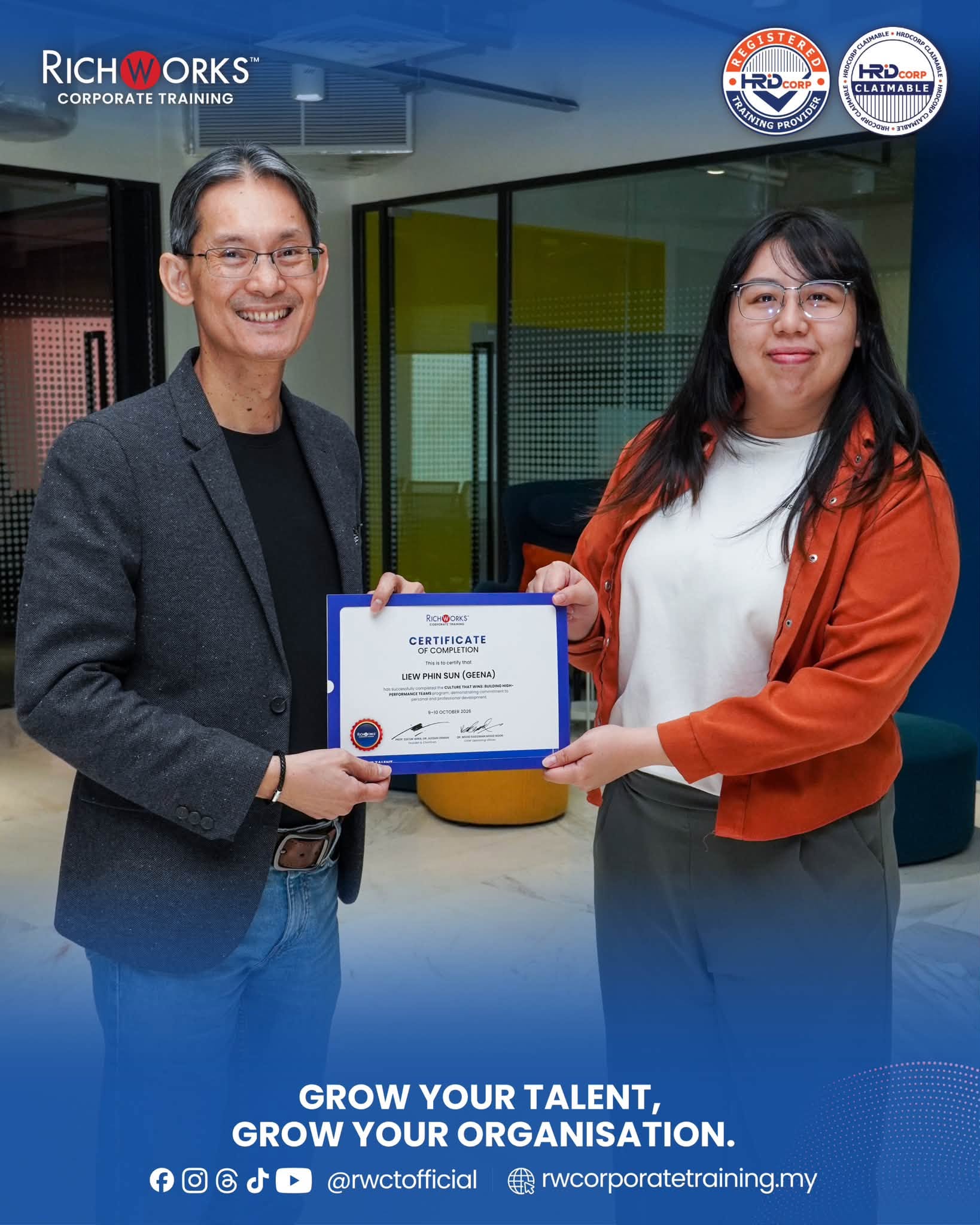
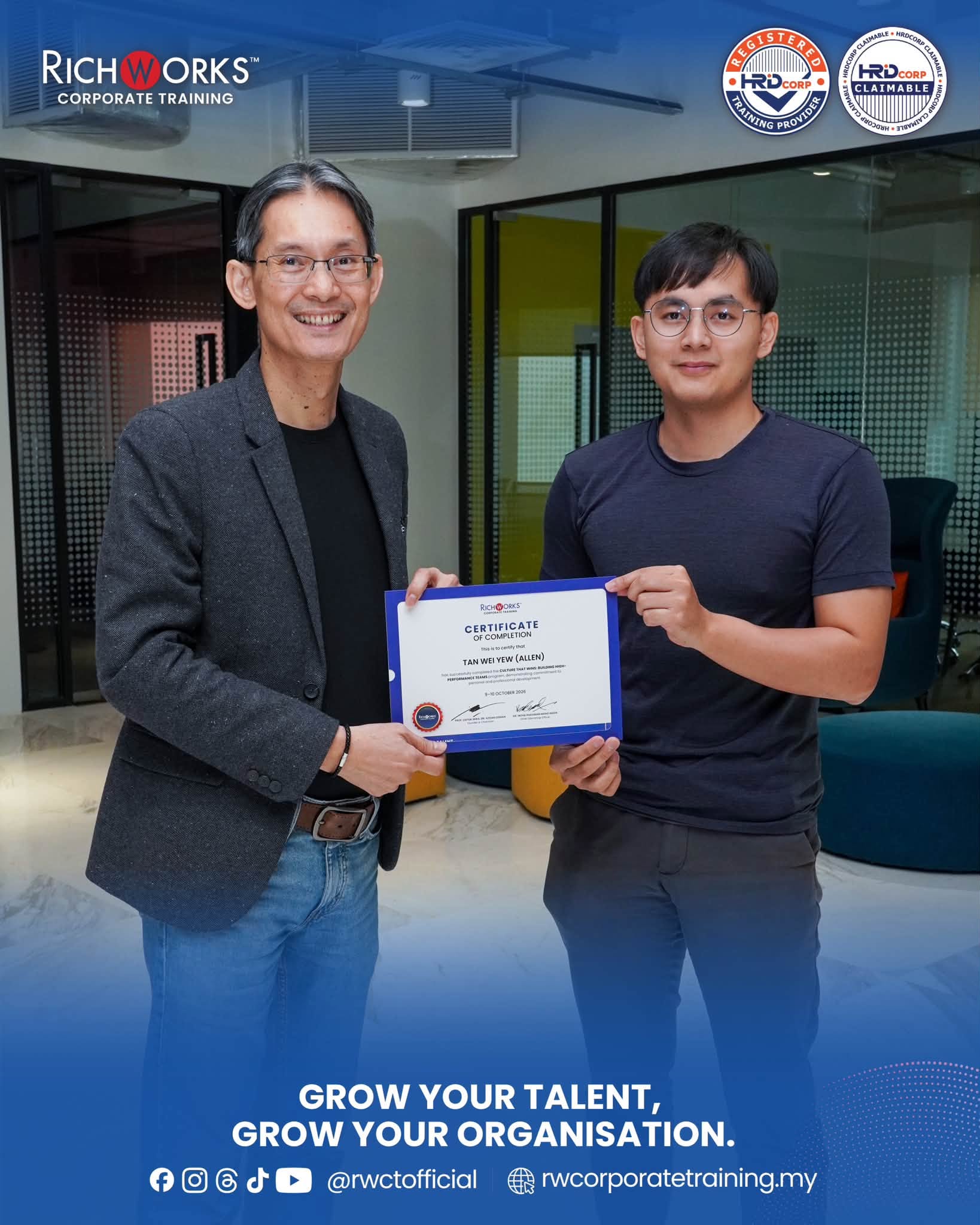
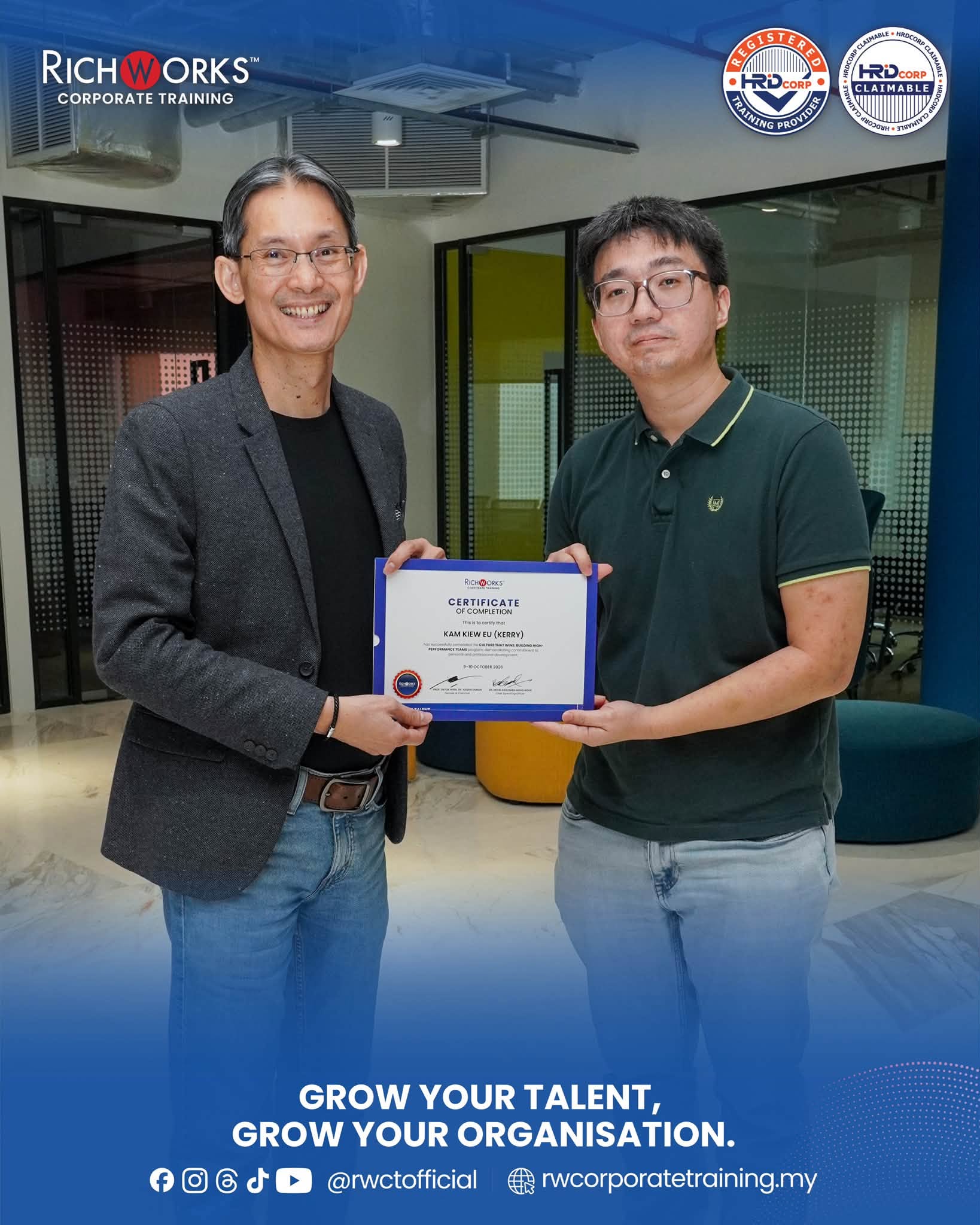
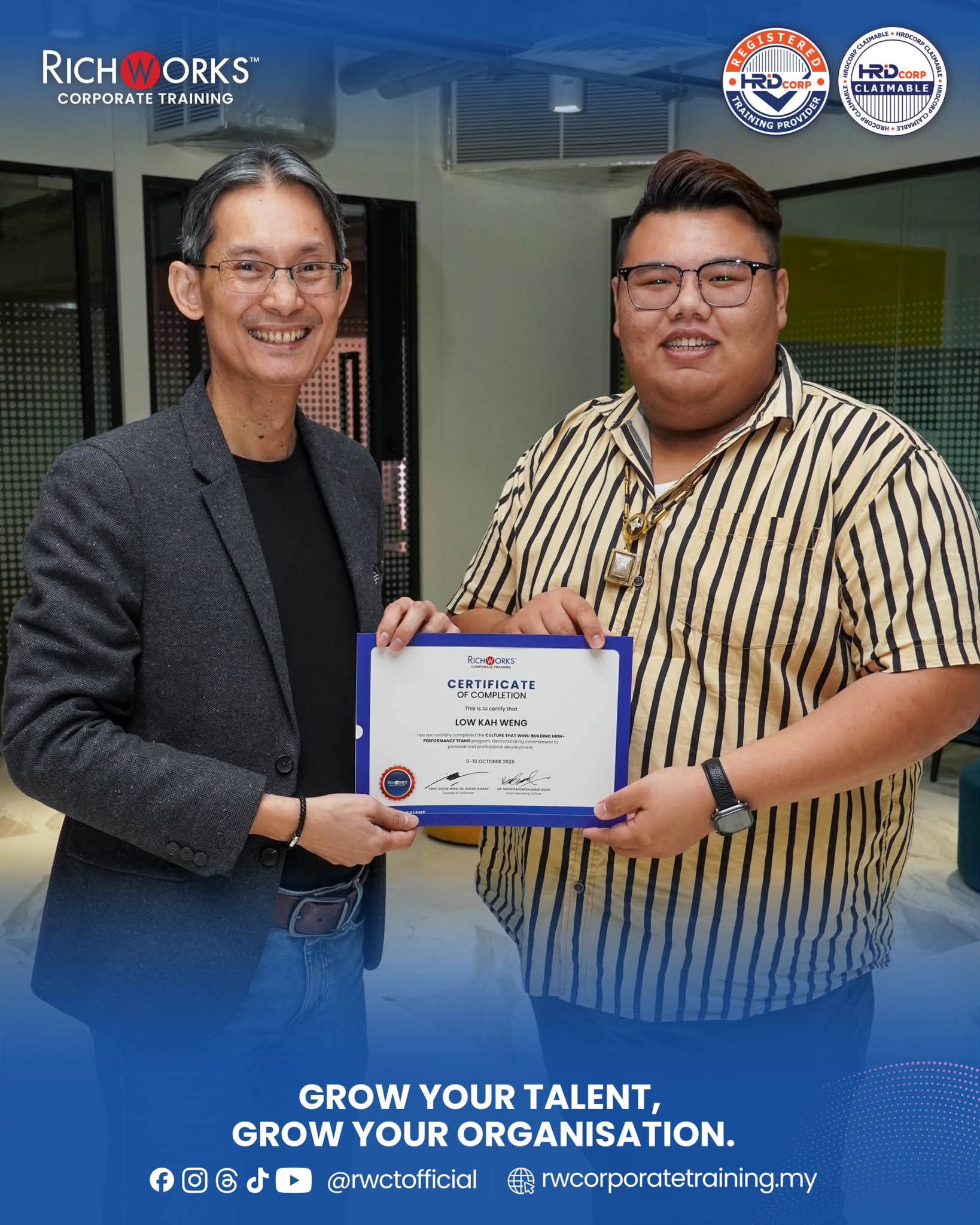
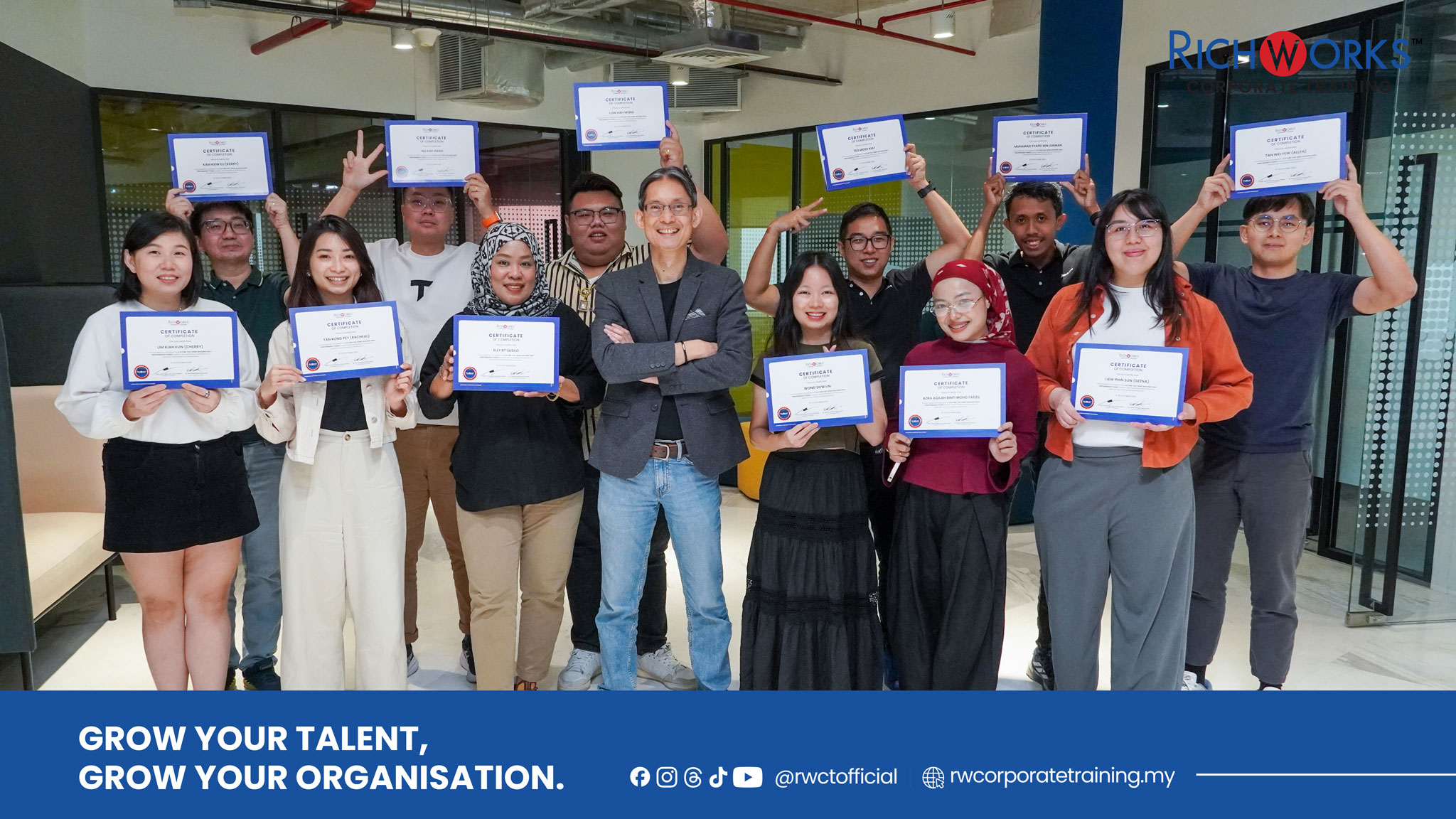
The Culture That Wins: Building High-Performance Teams programme was conducted on 9–10 October 2026 as an intensive 2-day corporate training programme for Boomwave Sdn. Bhd. at Thinkhub, i-City Shah Alam. Facilitated by Mr Gerald, the programme brought together 13 participants to strengthen leadership capabilities, improve workplace communication, encourage cross-departmental collaboration, and cultivate a culture of accountability and high performance.
In today’s dynamic business environment, building a high-performing team requires more than individual talent and technical expertise. Organisations must develop leaders who can communicate effectively, manage workplace conflict, align departmental objectives, and encourage employees to take ownership of their responsibilities. Challenges such as communication breakdowns, departmental silos, unclear expectations, and a lack of accountability can affect team morale, operational efficiency, and organisational performance.
Designed for managers, supervisors, team leaders, and cross-functional department heads, the programme introduced practical leadership frameworks and workplace strategies to strengthen teamwork and organisational culture. Through structured learning covering effective communication, conflict resolution, emotional intelligence, situational leadership, cross-functional collaboration, and accountability, participants explored how to develop cohesive, respectful, and resilient teams capable of working towards shared organisational goals.
Key Learning Outcomes
- Strengthen workplace communication - applying active listening, effective feedback, non-verbal communication awareness, and adaptable communication styles to improve clarity and reduce misunderstandings.
- Manage workplace conflict professionally - using emotional regulation, constructive negotiation, and the DESC Framework to navigate difficult conversations and resolve disagreements more effectively.
- Build mutual respect and psychological safety - developing emotional intelligence, maintaining professional boundaries, and encouraging respectful workplace interactions that support trust and collaboration.
- Break down departmental silos - improving cross-functional cooperation, aligning departmental KPIs with organisational objectives, and strengthening communication during interdepartmental hand-offs.
- Develop stronger leadership and supervisory capabilities - applying situational leadership approaches, distinguishing coaching from managing, and delivering constructive feedback using the SBI (Situation–Behavior–Impact) Framework.
- Promote accountability and personal ownership - using the Ladder of Accountability and RACI Matrix to clarify responsibilities, encourage proactive behaviour, and strengthen individual commitment to team outcomes.
- Cultivate a high-performance working culture - understanding the importance of recognition, psychological safety, mutual respect, continuous improvement, and sustainable team morale.
- Translate learning into workplace action - developing personal leadership action plans and practical commitments to strengthen team alignment, collaboration, and accountability.
Programme Experience
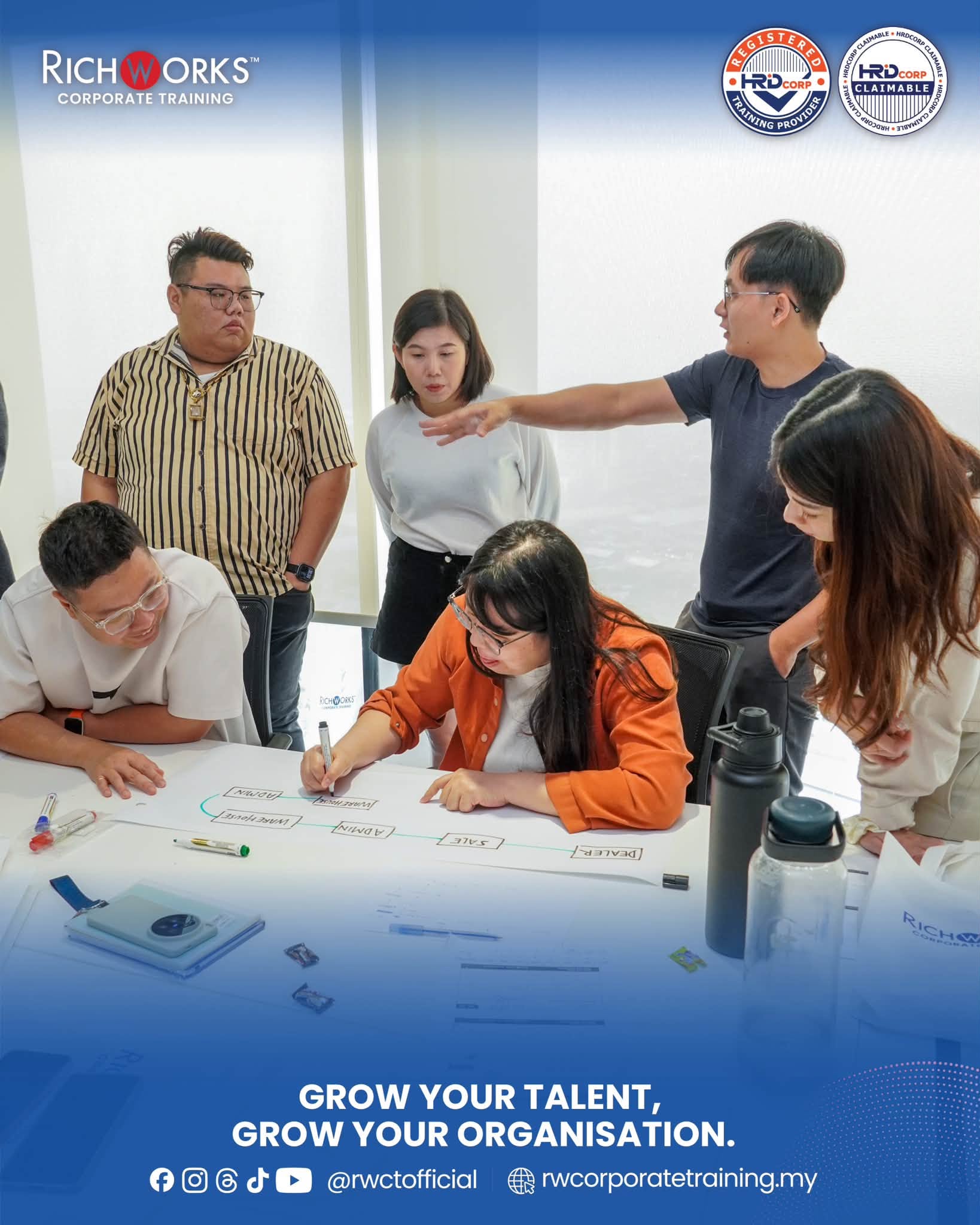
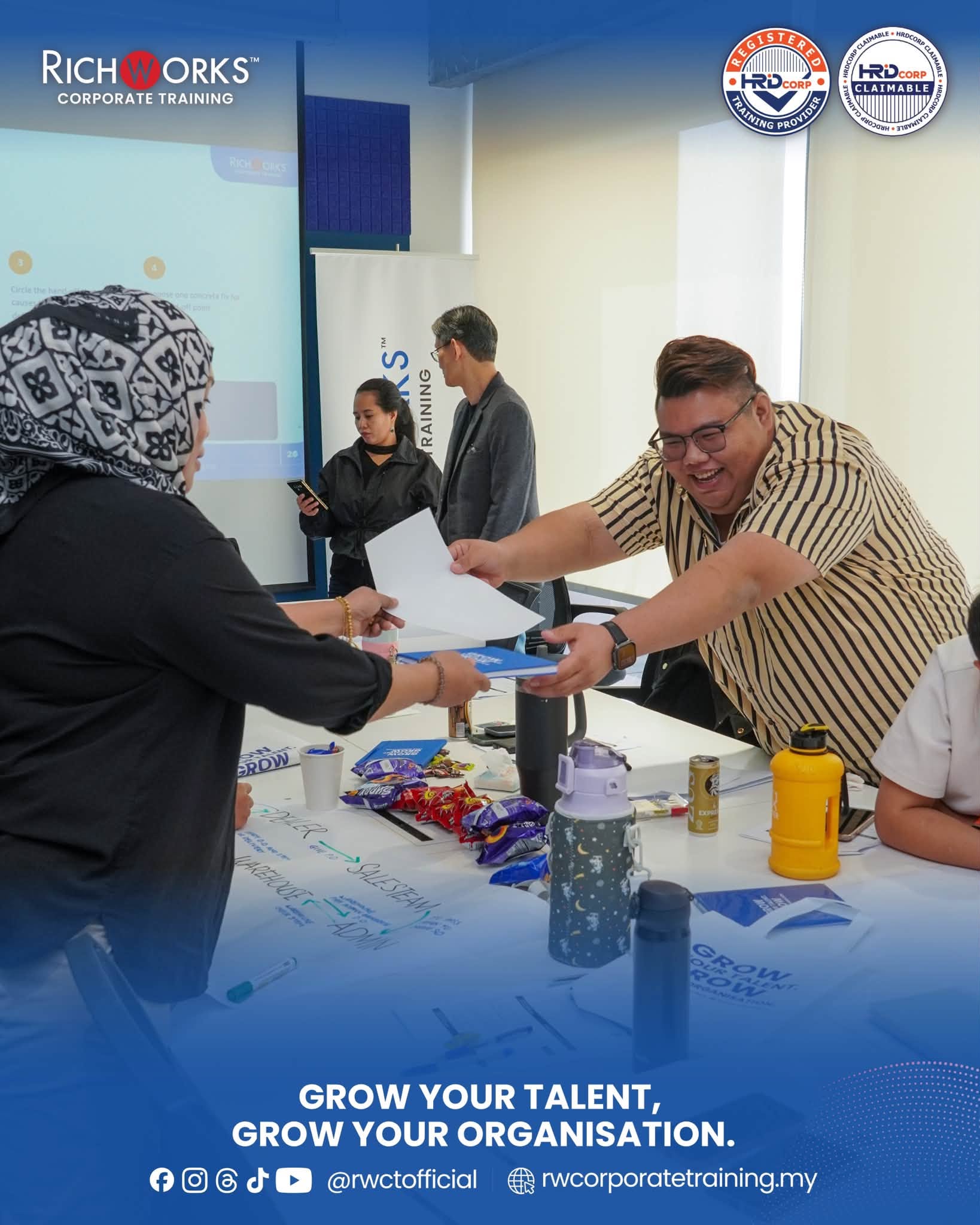
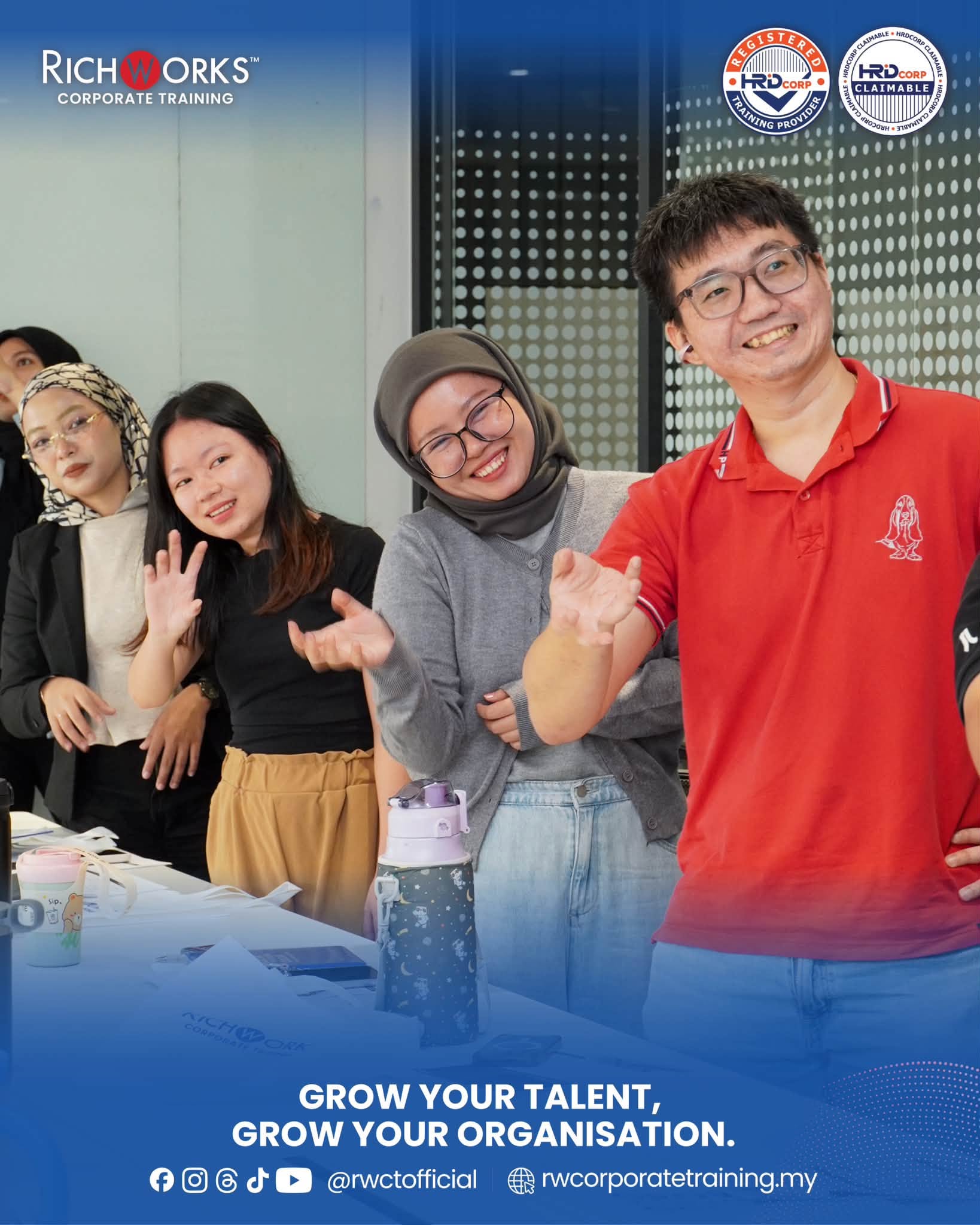
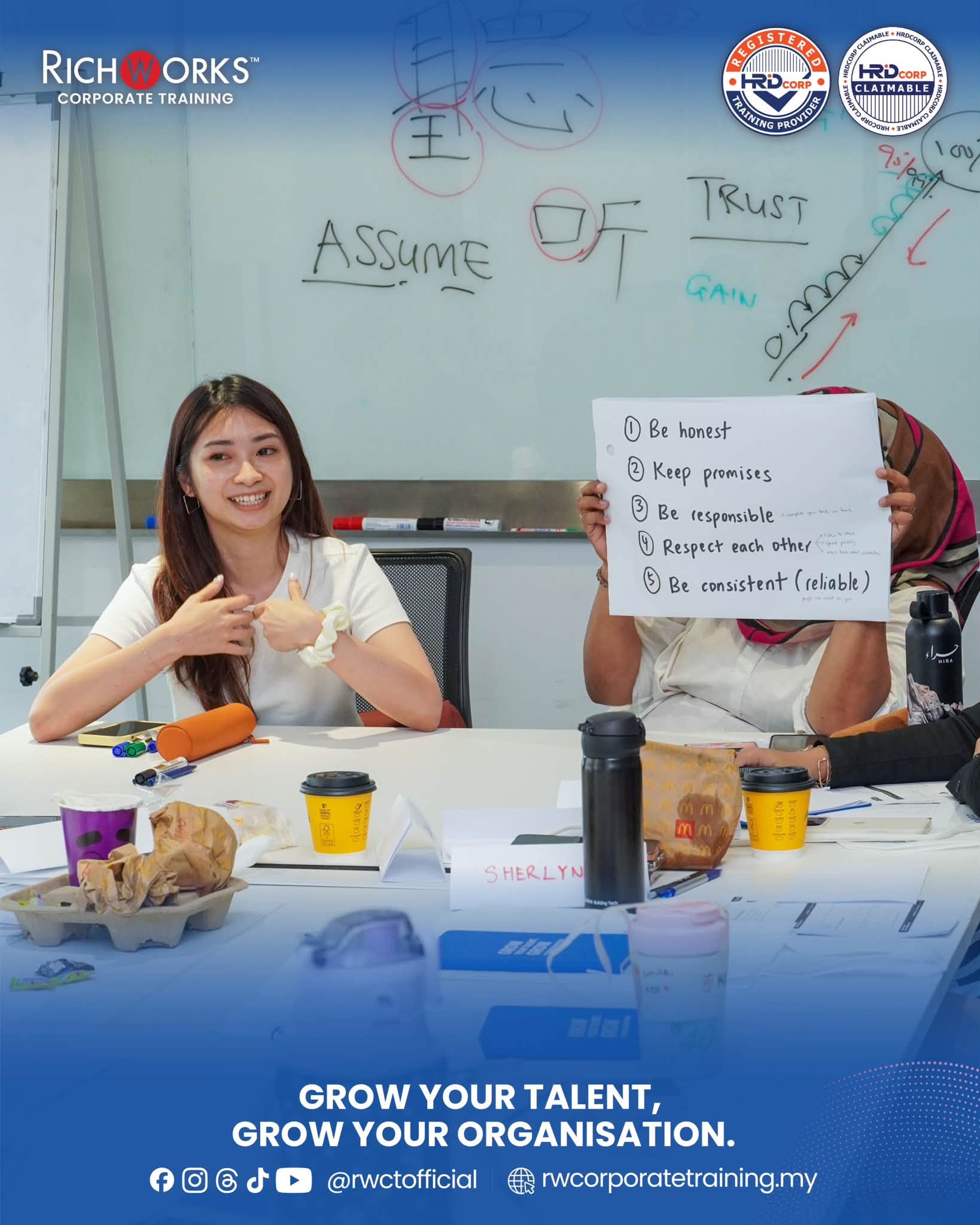
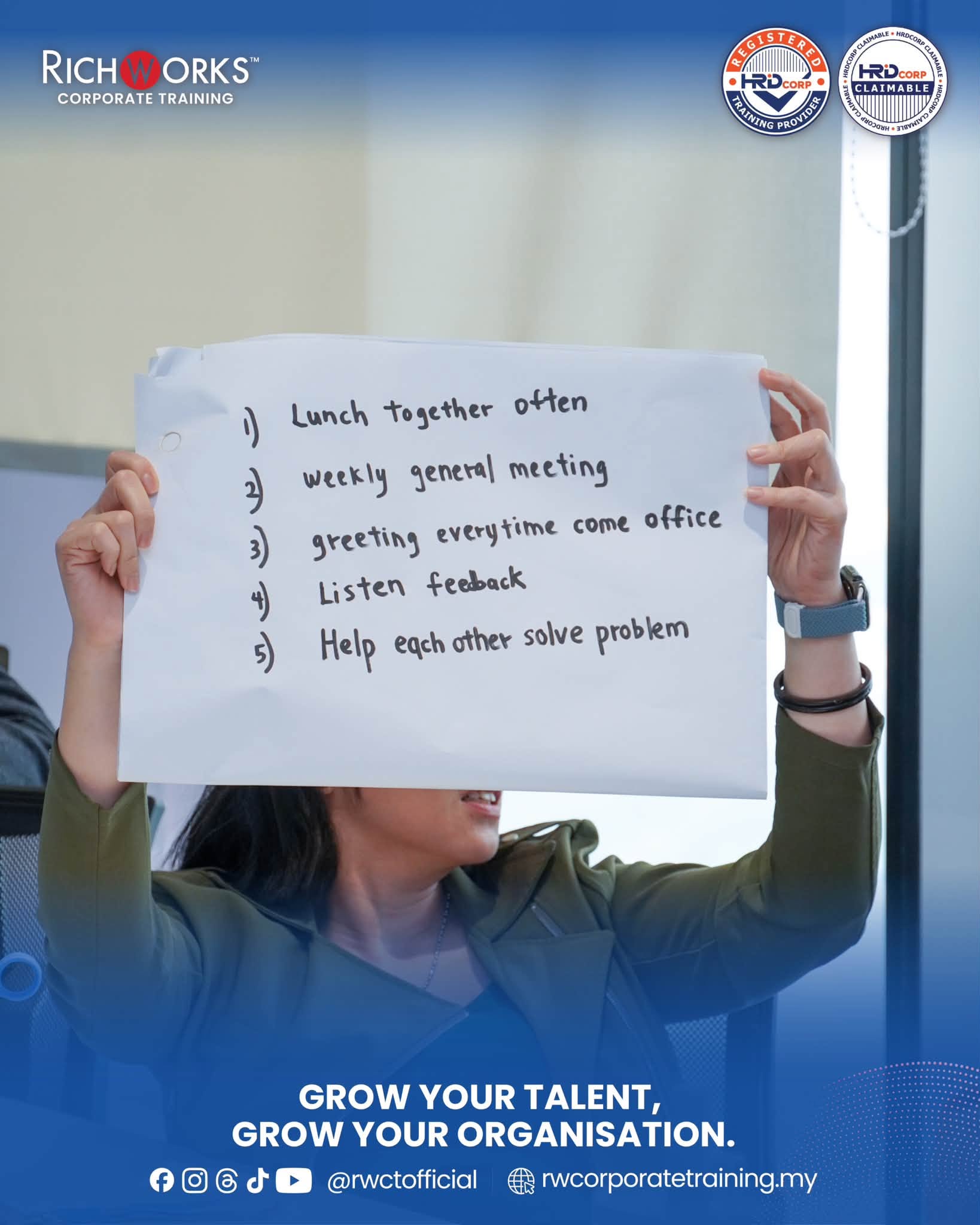
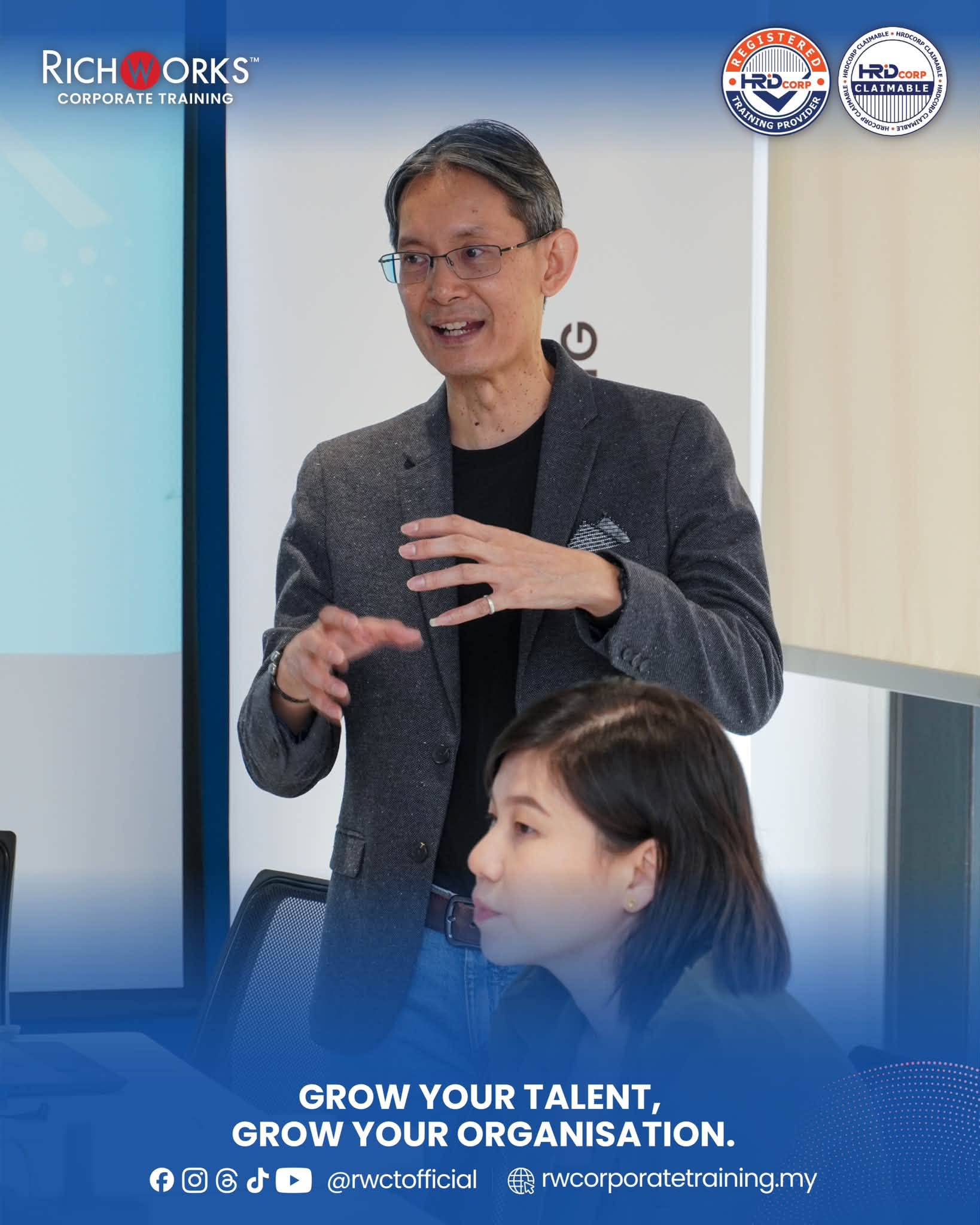
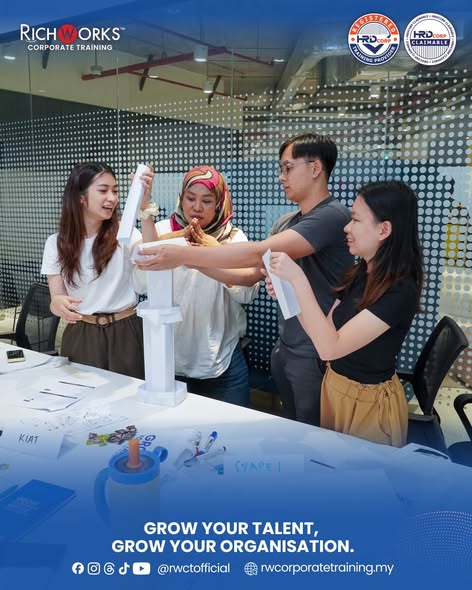
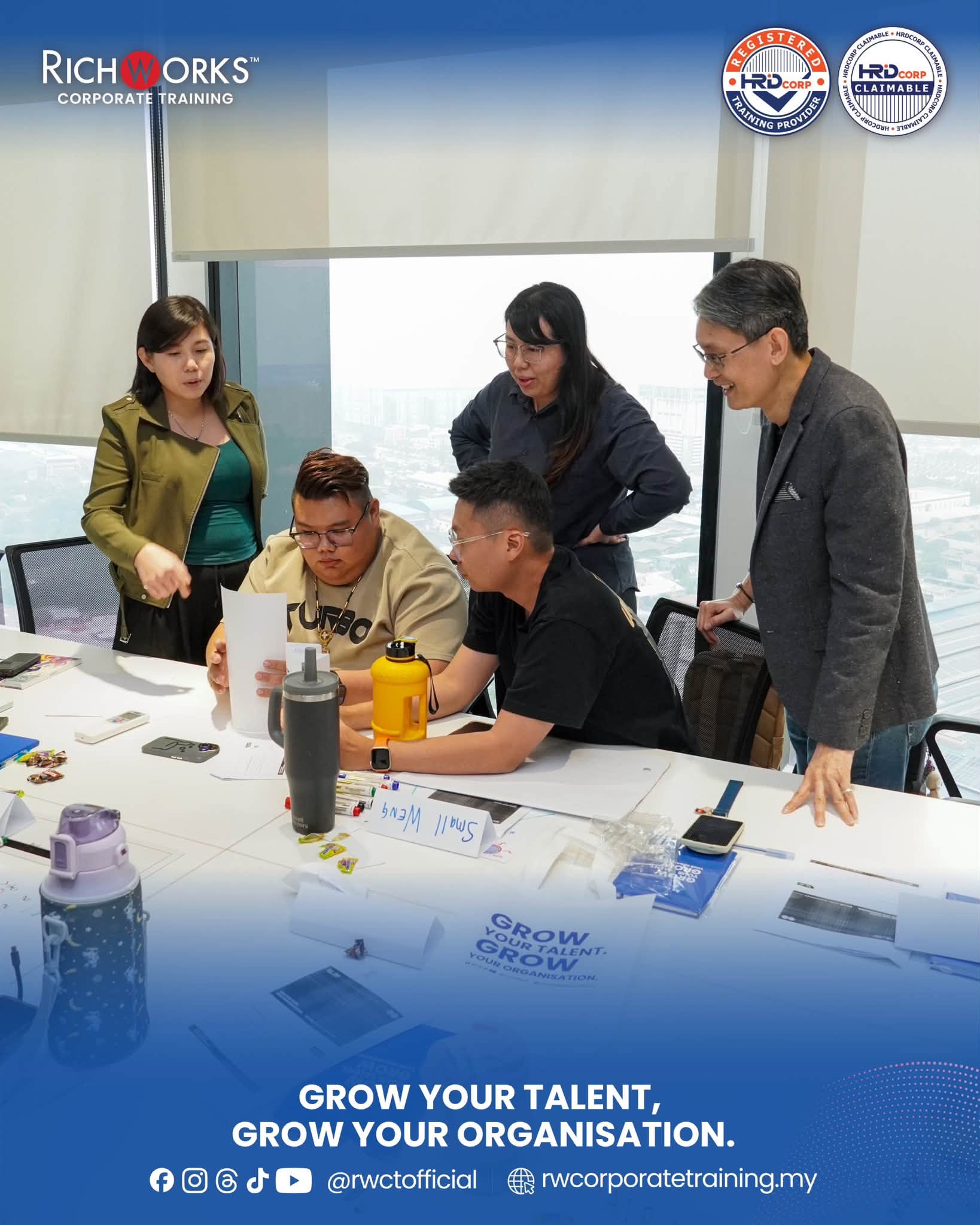
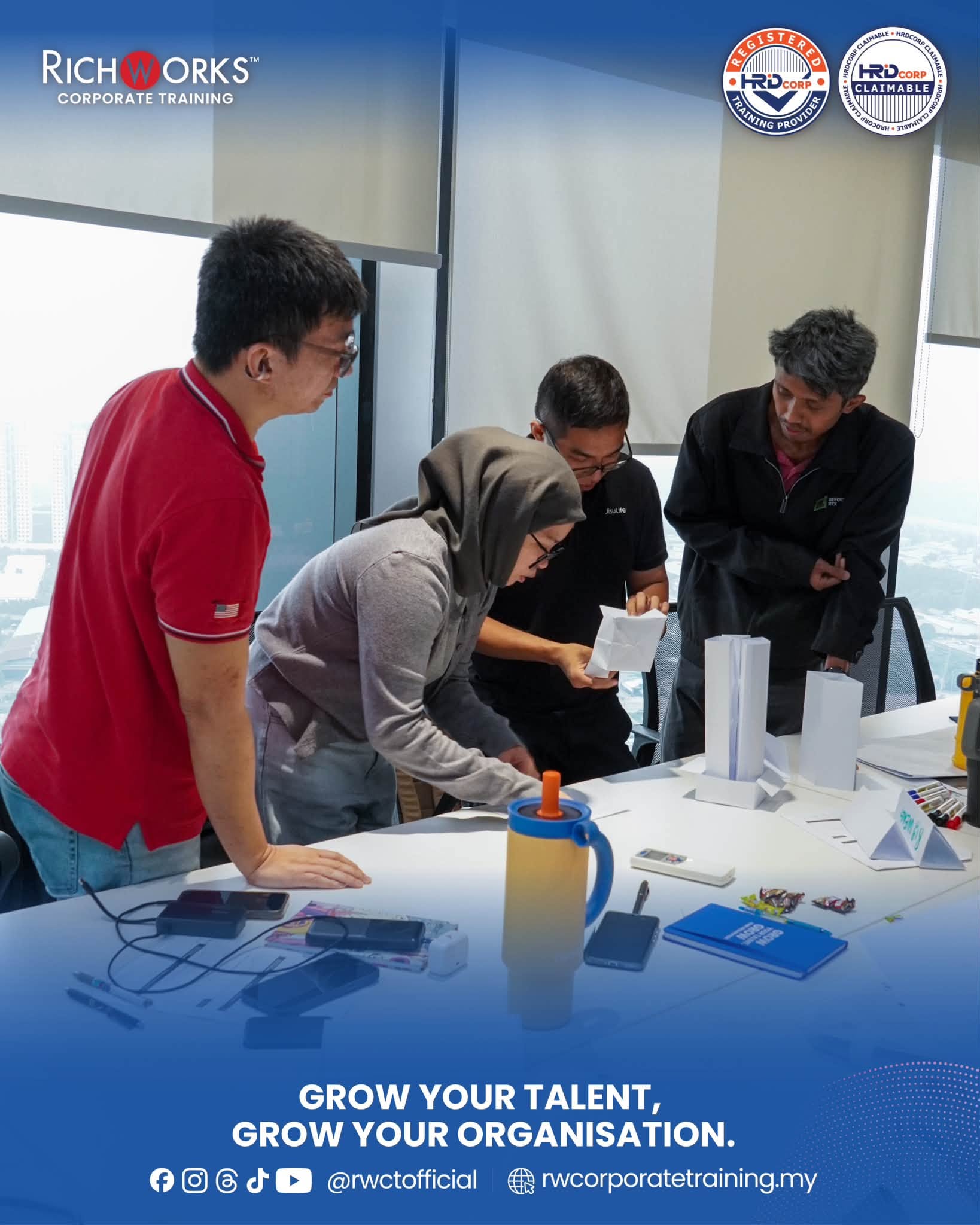
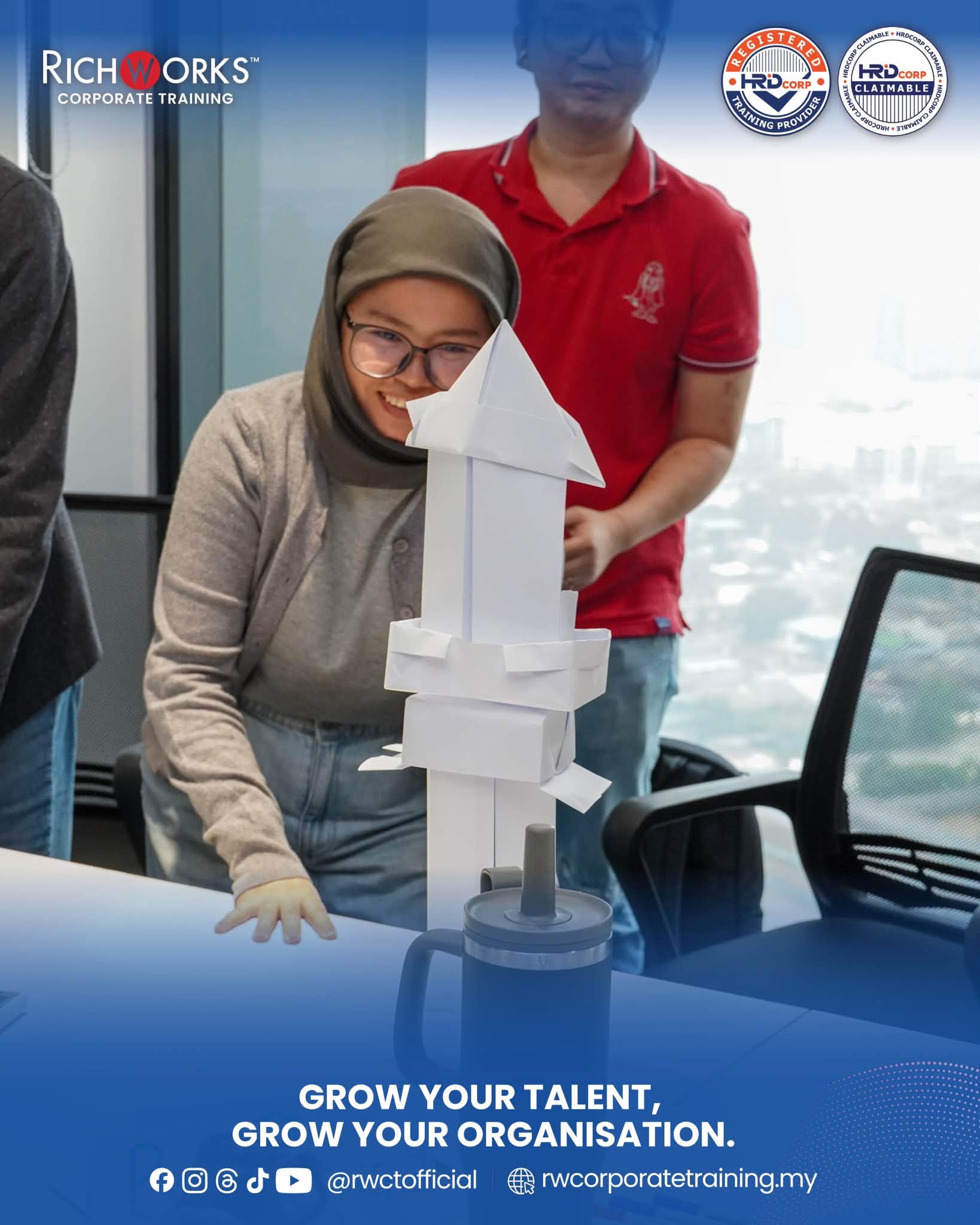
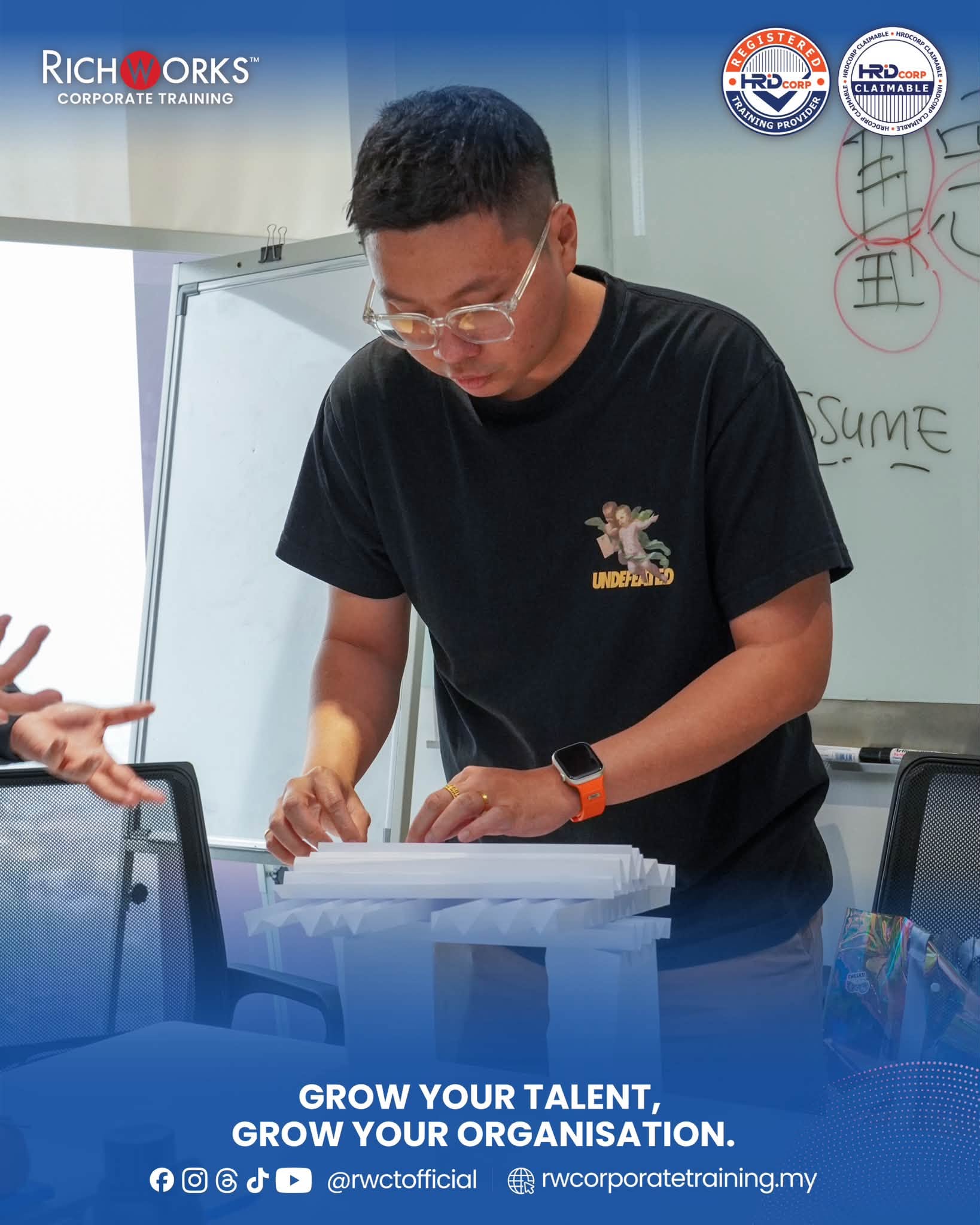
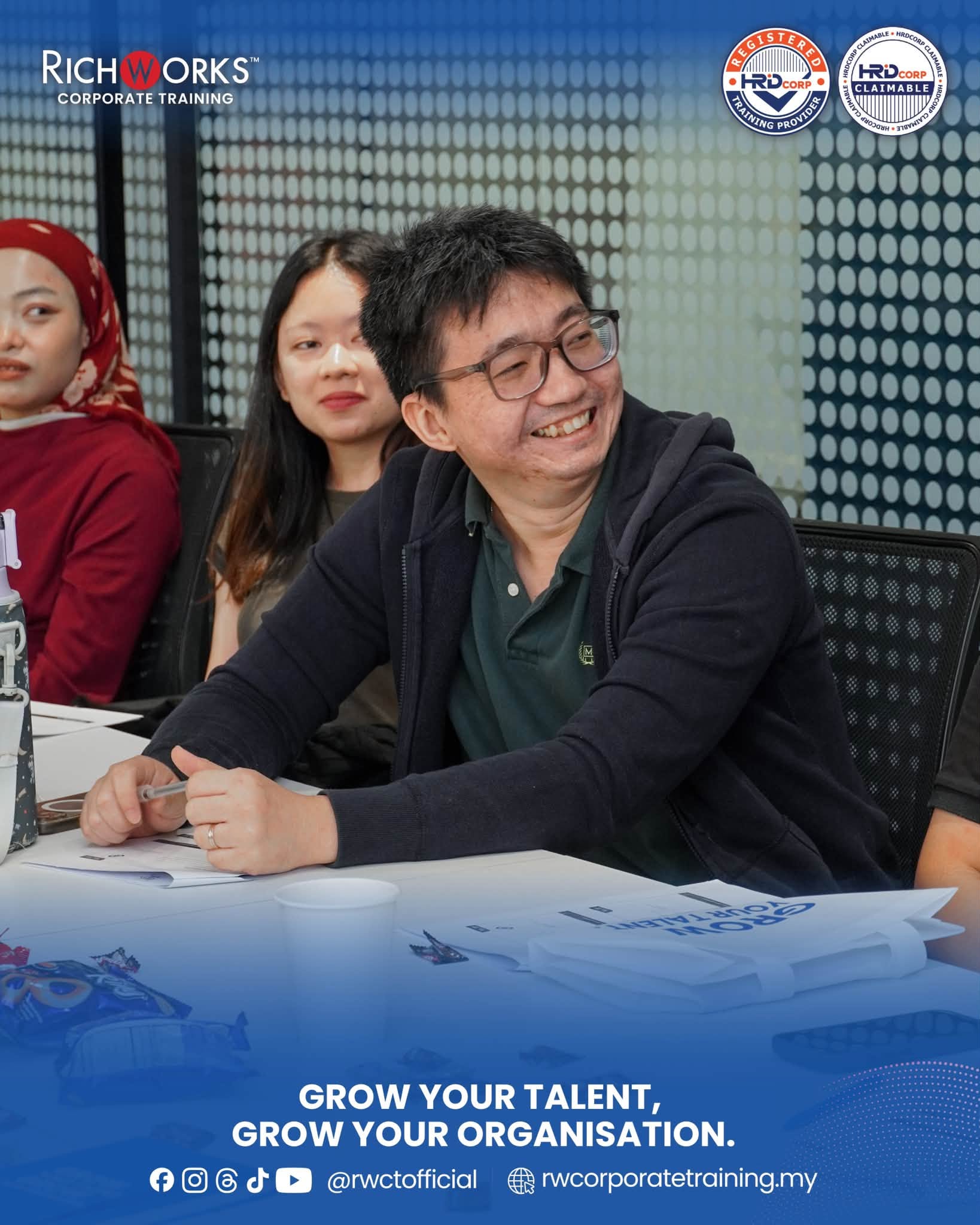
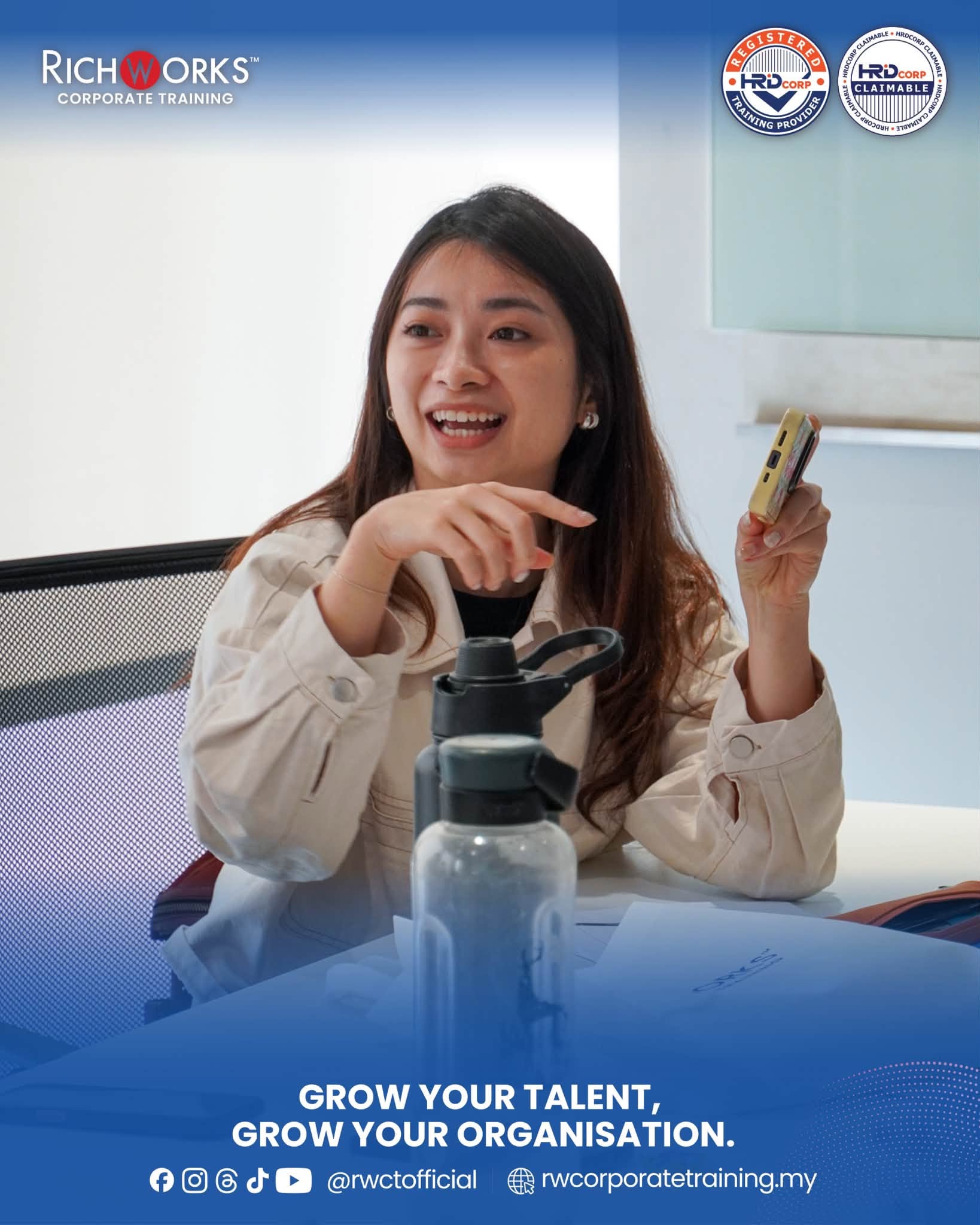
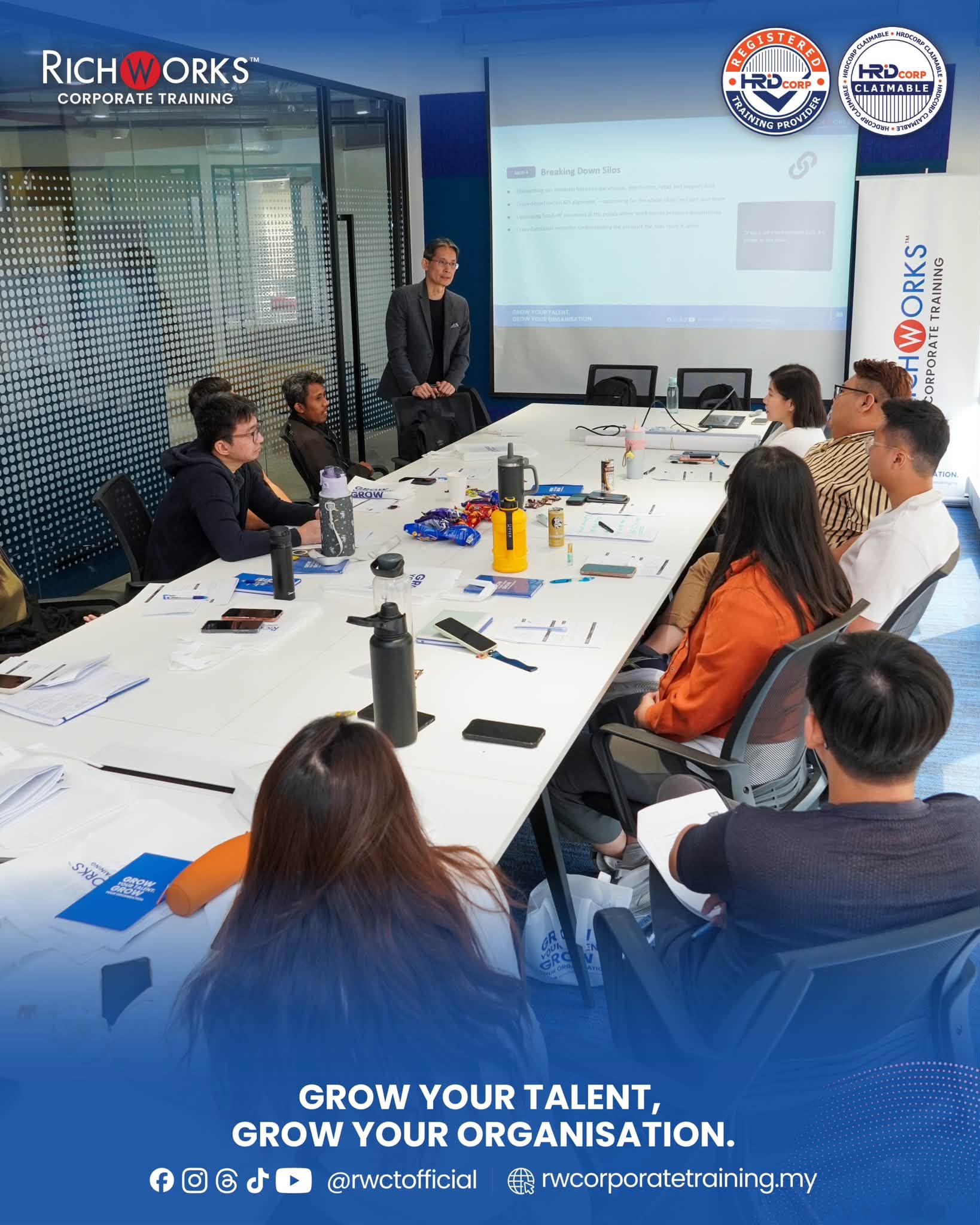
Held at Thinkhub, i-City Shah Alam, the two-day programme brought together 13 participants from Boomwave Sdn. Bhd. for a leadership and team development learning experience focused on strengthening workplace relationships, improving collaboration, and building a sustainable high-performance culture.
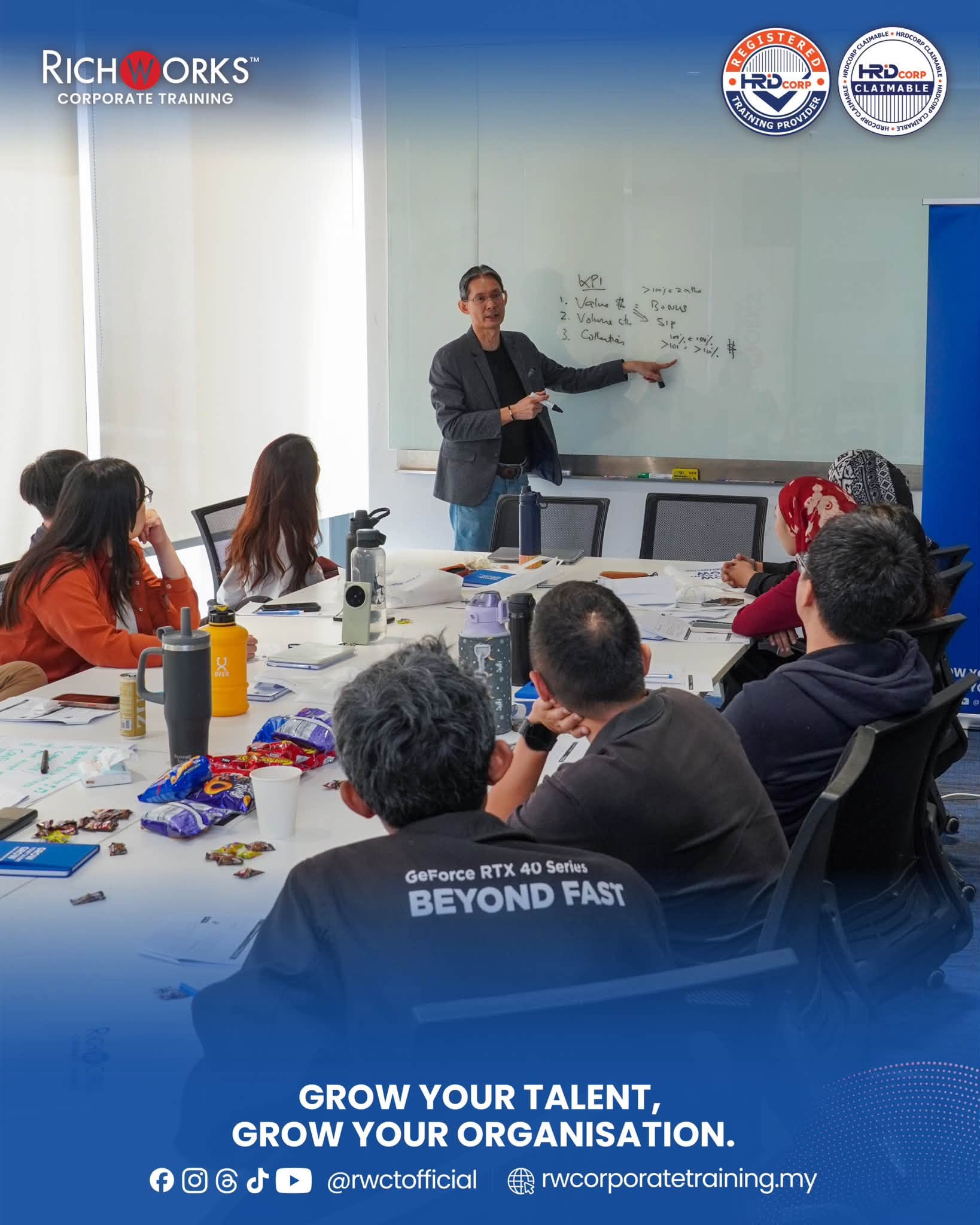
Under the guidance of Mr Gerald, the programme explored seven interconnected areas of team effectiveness, beginning with communication and conflict management before progressing into mutual respect, cross-departmental collaboration, leadership, accountability, and organisational culture.
The programme began with Effective Workplace Communication, where participants explored the communication loop, active feedback, listening techniques, non-verbal communication, and adapting communication styles to different workplace situations. The module also introduced the Clarity Filter, highlighting the importance of delivering clear, relevant, and purposeful messages to minimise misunderstandings and improve team coordination.
Participants then progressed into Professional Communication & Conflict Resolution, focusing on choosing appropriate communication channels, managing emotions, de-escalating difficult situations, and approaching disagreements constructively. The DESC Framework provided a structured approach to addressing workplace concerns professionally, while constructive negotiation techniques highlighted the importance of finding practical solutions without damaging working relationships.
Another important component was Mutual Respect & Workplace Professionalism, which explored the role of Emotional Intelligence (EQ) in developing positive workplace relationships. Participants examined how everyday micro-behaviours influence trust, why professional boundaries matter, and how psychological safety contributes to an environment where employees feel comfortable communicating concerns, sharing ideas, and supporting one another.
The programme also addressed Inter-Department Collaboration & Breaking Silos, highlighting the importance of moving beyond individual departmental priorities towards shared organisational objectives. Participants explored strategies for dismantling silo mindsets, aligning cross-departmental KPIs, improving hand-off processes, and developing greater empathy towards colleagues working in different functions. This module reinforced how stronger collaboration can support smoother workflows and more coordinated organisational performance.
Building on these foundations, Leadership & Supervisory Skills introduced practical approaches to leading teams with greater flexibility and effectiveness. Participants explored Situational Leadership Models, the SBI Feedback Framework, and the differences between coaching and managing employees. The module also addressed leadership responsibilities during operational changes, emphasising the importance of adapting leadership approaches to different team needs and workplace challenges.
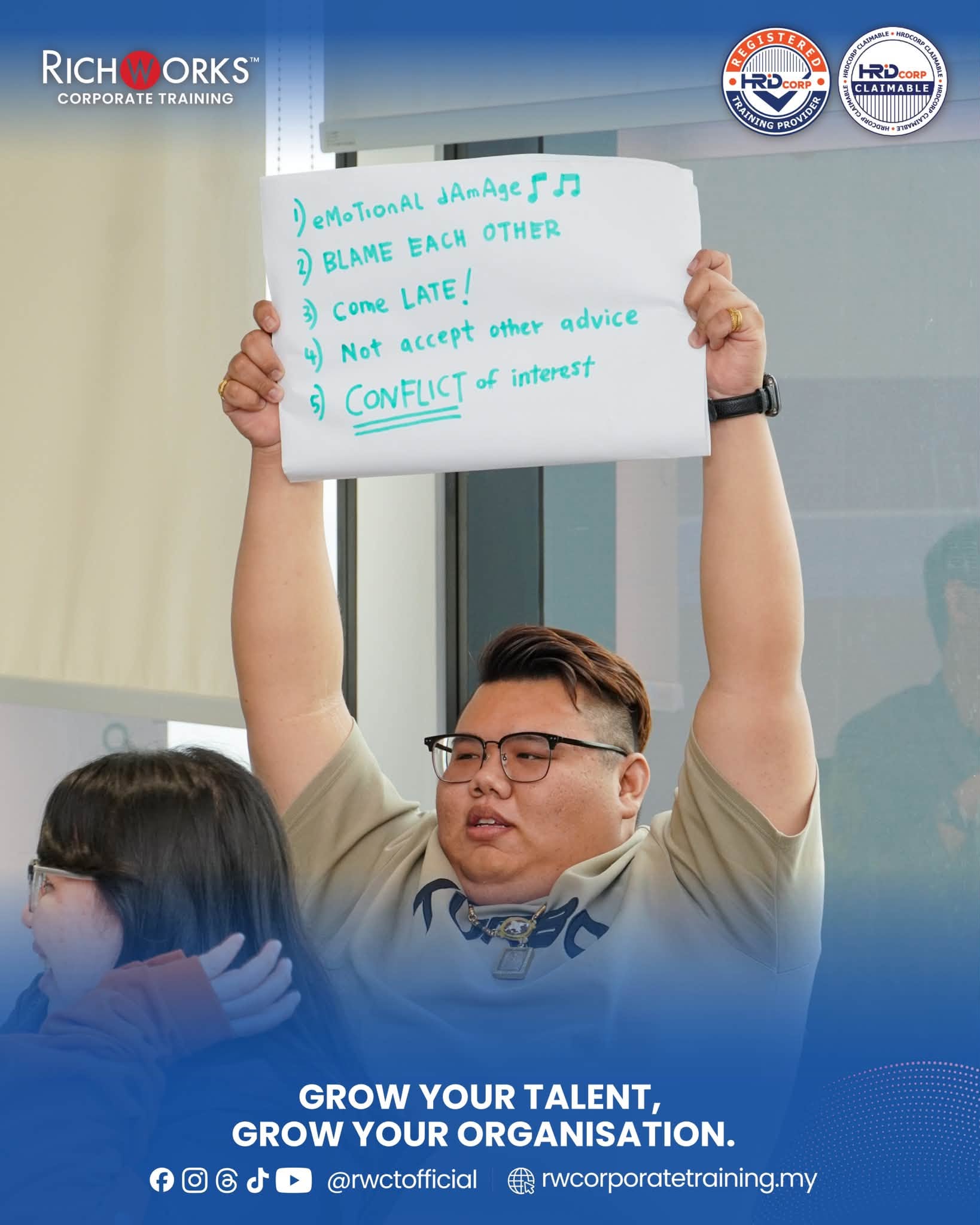
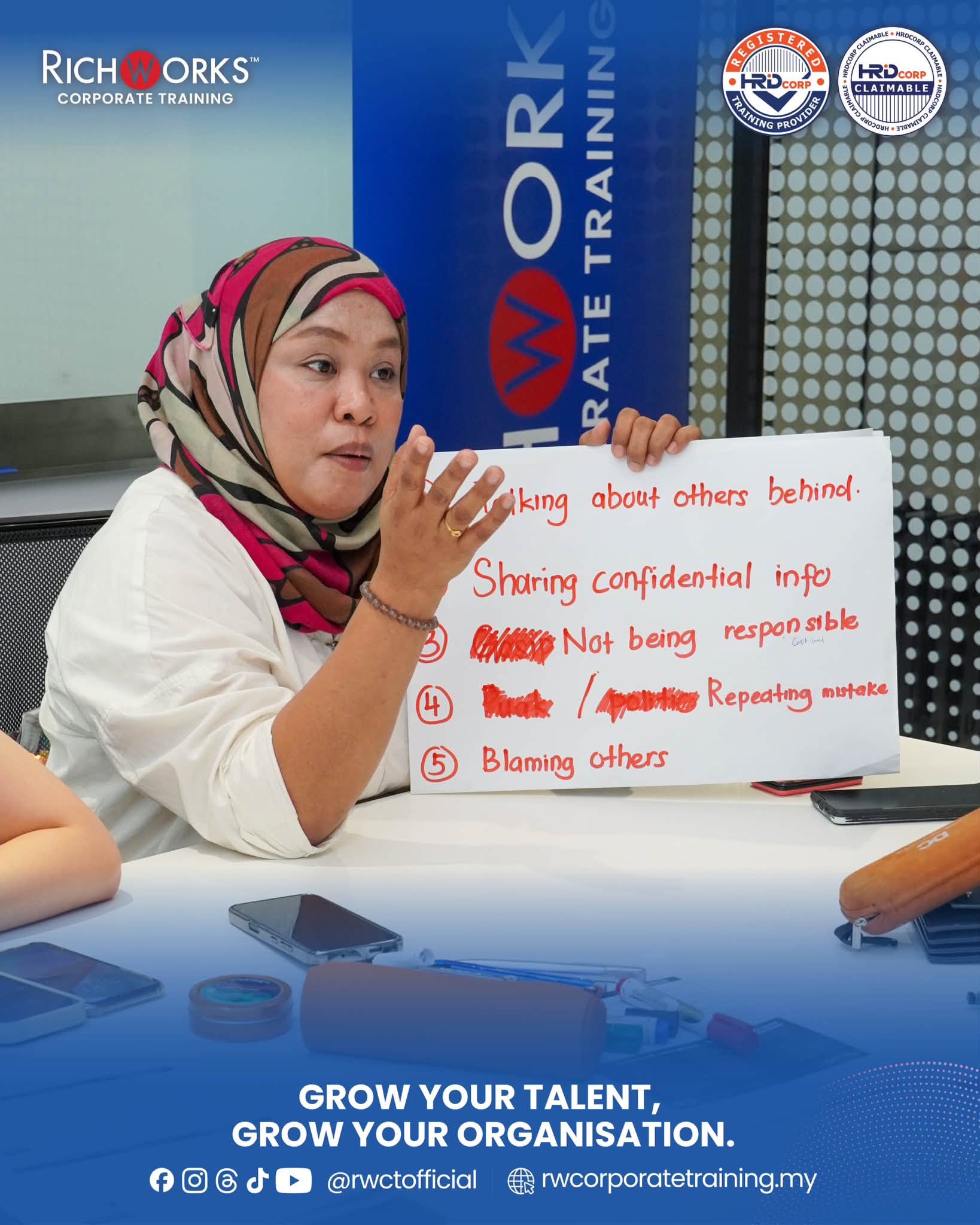
A key focus of the programme was Accountability & Ownership, where participants explored the Ladder of Accountability and RACI Matrix as practical tools for strengthening responsibility and role clarity. The module highlighted the importance of moving away from finger-pointing and blame towards identifying root causes, taking ownership of problems, and establishing clear, actionable commitments.
The final module, Building a High-Performance Working Culture, brought together the programme’s central themes of leadership, communication, teamwork, and accountability. Participants explored the pillars of a high-performance culture, non-monetary recognition systems, and strategies for sustaining team morale and encouraging continuous improvement.
The programme concluded with a focus on developing a Personal Leadership Action Plan, encouraging participants to translate the knowledge and frameworks into practical workplace commitments.
Overall, the programme provided Boomwave Sdn. Bhd.’s participants with a structured foundation for strengthening leadership effectiveness, improving cross-functional collaboration, encouraging accountability, and developing a workplace culture built on mutual respect, shared responsibility, and continuous improvement.
Why Organisations Choose Richworks Corporate Training
Richworks Corporate Training delivers HRD Corp claimable programmes that focus on practical learning, regulatory clarity, and measurable workplace impact. Our training is designed to support organisations in developing competent, confident, and compliant teams guided by experienced facilitators with real industry exposure.